
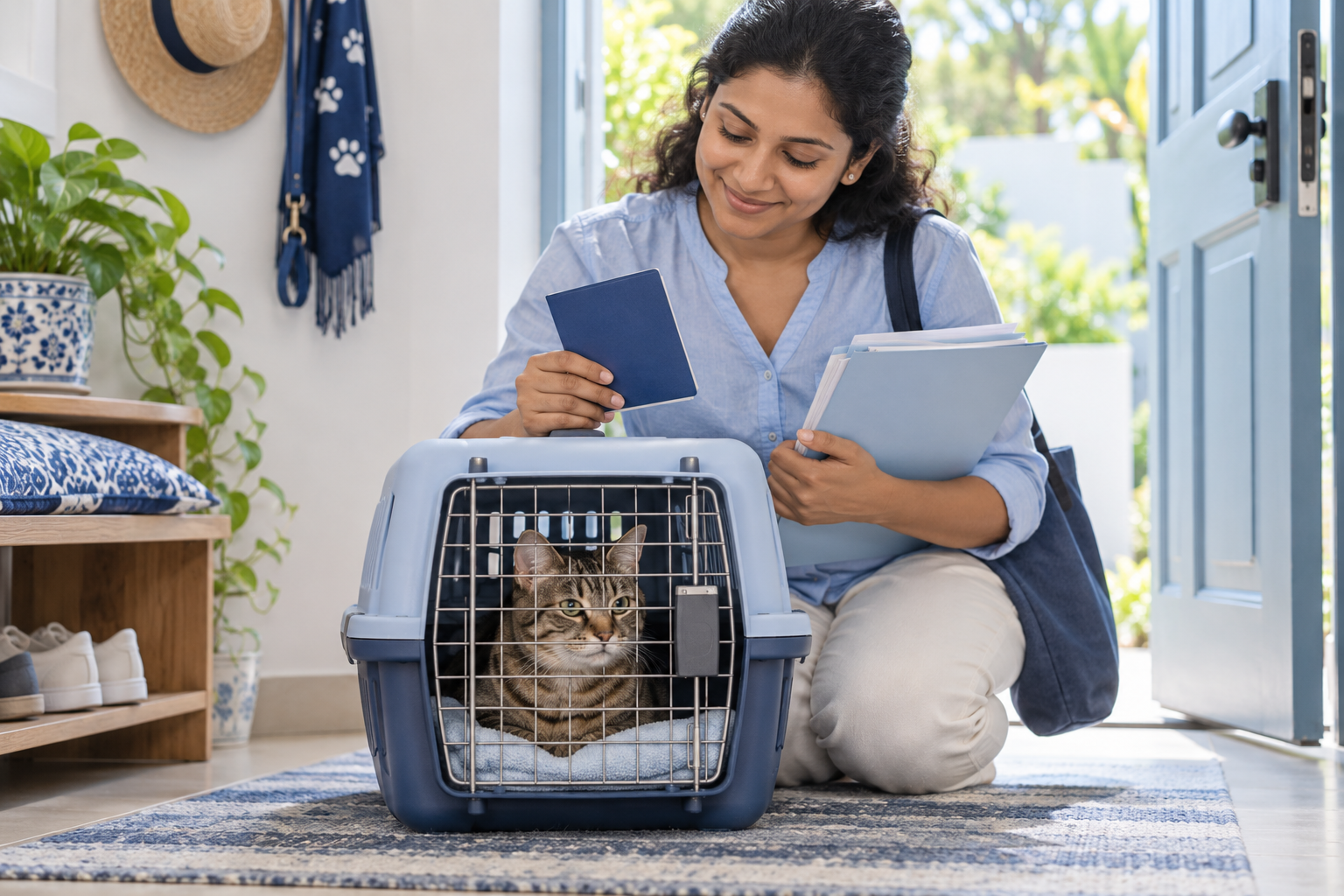
Before you leave home
- Pack the vaccination card, any earlier reports and the names or packaging of medicines and supplements your pet takes.
- Note when the problem started and any changes in eating, drinking, activity, passing urine or stools. Photos or a short video can help if you already have them. Never delay urgent care to take one.
- Bring your cat in a secure carrier and use a suitable lead for your dog. Let the team know beforehand if your pet gets very anxious or is difficult to handle.
- If a test or procedure is planned, ask whether you need to prepare your pet. Do not stop their food unless the clinic has told you to.
Ask until the plan is clear
- What could be causing this, and what will the suggested test help us find out?
- What are the treatment options, and roughly how much will they cost? If cost is a concern, tell the vet before agreeing to a plan.
- How do I give each medicine, and for how many days? What should I do if I miss a dose or my pet has a bad reaction?
- When should my pet start feeling better? What signs mean I should call or bring them back sooner?
Before you go home
Ask for the instructions in writing and check when you need to come back. If someone else at home will be giving the medicines, make sure they understand the instructions too. If your pet is not improving, contact the clinic before changing the treatment yourself. Your vet may need to examine them again or arrange further tests.
General education for dogs and cats; not a diagnosis or an individual treatment plan.